World Cup betting payments: preparation for peaks that move
More teams. More fixtures. More ways for betting demand to build, spike and return. With 48 teams, 104 matches and 39 days of competition, the 2026 World Cup gives operators more payment moments to plan for than any previous tournament.
That means a variety of elements will come under pressure at different points; deposits before kick-off, in-play betting during the match, fraud checks, mobile wallet use and payouts after each set of results. Group-stage permutations, home-nation fixtures, knockout draws, Golden Boot markets, extra time and penalties can all create fresh waves of customer action.
Payment performance during the tournament will come down to preparation and visibility. Operators need the right payment methods live, routing rules ready, failed payment recovery in place, clear visibility on fraud declines and payout flows that can keep pace after key results.
Event peaks behave differently
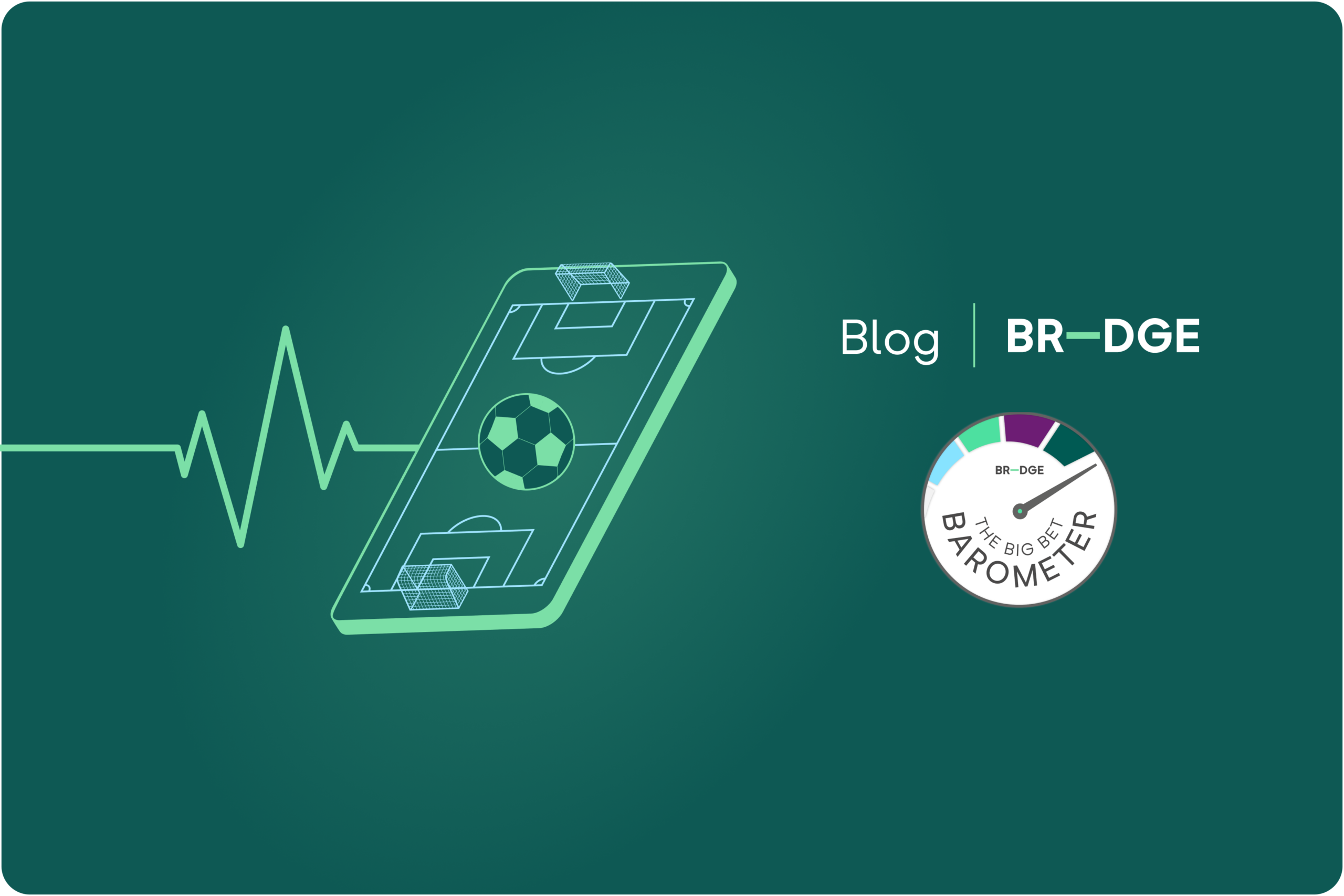
Our ‘Big Bet Barometer’ analysis of recent big sporting events shows how differently payment pressure can build once customer intent picks up.
Australia’s Melbourne Cup was heavily weighted towards the final 30 minutes before the main race, with transaction volumes more than doubling in that window. At the UK’s Grand National, volumes rose by around 50% in the same period. The Cheltenham Festival followed a different pattern, with weekday activity spread across the whole day rather than concentrated around the race itself.
Those differences are useful indicators when looking ahead to the World Cup. Weekend and headline fixtures can concentrate pressure close to kick-off. Weekday matches may spread demand across work breaks, lunch hours and the commute home. Home-nation games may bring more casual bettors into the journey, while the final will undoubtedly create much more pressure before the match, during the game and after the result, than any other part of the tournament.
The preparation window changes with the fixture. A payment setup that works for a quiet group-stage match may need to flex for a home-nation game, a knockout draw or a late penalty shootout.
Payment choice becomes part of performance
When customer intent is high, the payment experience has very little room for friction.
A customer trying to deposit shortly before kick-off isn't even aware of PSPs, issuer responses or routing logic. They choose a method, try to pay and expect the bet to be available. If their preferred option is missing, authentication is slow or a payment fails without a clear recovery route, that intent can disappear quickly.
Grand National data gives a useful signal here. As the race approached, Apple Pay’s share of traffic rose from around 15% to 25% at peak. When intent was highest, more customers moved towards a speed-first mobile wallet: fast, familiar and already built into the device in their hand.
For the World Cup, operators should expect wallet use to rise around the moments when customers have the least patience for failed deposits or checkout friction. A casual fan checking odds on a phone before kick-off behaves differently from a regular customer betting from home — and the payment setup needs to support both.
Fraud and declines need live visibility
High-pressure fixtures change the risk picture as much as the volume picture.
During the Grand National, PSP fraud declines reached 1.5% of transactions. Strong controls are essential in gaming, but operators also need to identify and take action fast when genuine event behaviour starts creating false declines
Major fixtures can bring more first-time customers, dormant customers returning, mobile deposits, short betting windows and unusual traffic patterns. That can affect fraud screening, issuer responses and decline rates at the same time.
Payment and risk teams need to see what is happening while the event is live. If a provider starts returning unexpected declines, teams need to diagnose the root cause and act quickly, which can sometimes mean having another route ready for retries. If fraud declines rise above expected levels, teams need to understand whether the issue is risk, routing, customer behaviour or provider performance. If a legitimate customer fails a payment minutes before kick-off, the recovery path needs to be available immediately.
This is where orchestration becomes part of event operations. It gives teams the visibility and control to act on decline patterns, provider performance and failed transactions before the window closes.
Withdrawals are part of the same pressure cycle
The next payment moment often comes soon after the results are in.
A customer may deposit before one match, bet in-play, withdraw after the result and come back for the next fixture. If the deposit journey works but the withdrawal experience feels slow or unclear, the operator still risks losing the next interaction.
Payout pressure may be especially visible after knockout games, high-profile results and the final. A knockout result can create a surge of withdrawal requests within minutes. Customer expectations are high, emotions are running, and the next fixture may already be on their mind. Operators need to think about money moving in and money moving out as part of the same event plan.
A strong setup should connect deposits, retries, routing, fraud checks and payouts as one operating model. That gives teams a clearer view of where pressure is building and where action is needed.
Preparing for every match window
World Cup payment planning needs to cover the full fixture cycle: before each match, during the match and after the results.
Before kick-off, operators need payment methods live, routing rules ready and failovers in place. During the match, they need visibility into acceptance, declines, provider performance and in-play transaction behaviour. After the result, payout flows need to keep pace with customer expectations.
The World Cup will test the parts of the payment journey that players only notice when something goes wrong: a deposit that fails, a wallet route that slows, a fraud decline that blocks a genuine customer, or a payout that takes longer than expected.
A rolling tournament needs a payment setup that can move with it.
BR-DGE helps gaming and gambling operators manage payment methods, providers, routing, retries and payouts through one independent orchestration platform. Teams can spot issues earlier, reduce single points of failure and keep deposits and withdrawals moving when event pressure is highest.
Related content