From PSP management to payment strategy: what changes when orchestration becomes part of the operating model
For years, payment teams have operated like air traffic controllers during a storm. Acquirer down? Divert traffic. New market launch? Add another PSP. Fraud issue? Bolt on another tool. Need a local payment method? Start another integration project and clear the diary for six months.
Up to now, the focus has largely been operational: keep transactions moving and hold the stack together with as little disruption as possible.
That approach made sense for a while. Payments sat quietly in the background, expected to process transactions without causing too much drama. But somewhere along the way, payments stopped being back-office infrastructure and became one of the most commercially influential parts of the business.
And yet many organisations still treat payments strategy as if vendor management is the primary concern. But now the orchestration conversation is shifting. Yes, it helps merchants to manage PSPs more efficiently. Yes, in many cases it’s about accessing new technology. But orchestration is also fundamentally changing how organisations think about payments, who owns them, and how quickly the business can respond when opportunities appear.
Today, with the business case for orchestration proving its worth among merchants spanning several domains, geographies and customer bases, orchestration is fast becoming a core operating model.
Merchants need to stop treating payments like plumbing
The early orchestration conversation was relatively straightforward. Connect multiple providers through one integration. Reduce dependency on a single partner. Avoid rebuilding your stack every time you want a new payment method.
Useful? Absolutely. But there is a temptation to think about orchestration as another technology category or integration project. That view risks underselling its wider role and forcing merchants to “think small”.
The most mature merchants we speak to aren’t asking whether they can add another provider.
They’re asking:
- How quickly can we enter new markets?
- Can we test local acquiring relationships before committing?
- Can we adapt payment experiences for different customer segments?
- Can we optimise payment performance in real time?
- Who actually owns payments outcomes inside the business?
And that final question is becoming increasingly important. Because once orchestration becomes embedded into the operating model, the internal business dynamics around payments begin to change. Payment decisions stop sitting solely with infrastructure or engineering teams. Suddenly product, commercial, fraud, finance and operations teams care too.
Instead of payment discussions being concentrated among procurement teams or platform owners, conversations broaden. Commercial teams become interested in market expansion opportunities. Product teams focus on customer experience implications. Finance teams look more closely at performance data and cost structures. Security and compliance teams evaluate risk exposure differently.
When orchestration stops being tech, it starts changing the business
Historically, payments teams focused heavily on uptime, resilience and cost management. All sensible priorities. But orchestration creates opportunities to think much bigger - and move faster.
Take international expansion. Without orchestration, entering a new geography can become painfully familiar. You’re facing lengthy provider discussions, and grappling with local payment method integration projects. There’ll be months of technical work before testing even begins. For many businesses, market entry becomes a painful infrastructure exercise rather than an exciting growth opportunity. What businesses end up with is an increasingly fragmented payments estate. Integrations multiply. Ownership becomes unclear, and teams spend time maintaining relationships rather than improving performance.
Orchestration changes the equation. Merchants can test local acquiring relationships, introduce region-specific payment methods, and optimise payment logic without major redevelopment projects every time. Suddenly expansion becomes an opportunity to experiment.
The same applies to customer segmentation. Not every transaction should behave identically. VIP customers may benefit from tailored routing strategies and payment methods. Higher-risk transactions might need to have different fraud checks. Returning users could see entirely different payment experiences from first-time customers.
Payments teams that only focus on technical outcomes risk missing much larger opportunities sitting beneath the surface. Instead of asking: “How do we integrate another PSP?”, orchestration enables businesses to focus on more commercially meaningful questions:
- Which customer segments become accessible?
- Which local payment experiences improve conversion and open new avenues?
- How quickly can demand be tested?
- How fast can the business adapt if customer behaviour changes?
That’s a very different – and a more enjoyable - boardroom conversation.
The biggest orchestration wins often hide in plain sight
One of the most interesting things about orchestration is that many of its biggest commercial benefits start life as technical fixes. Tokenisation is a perfect example.
The obvious story around tokenisation is security. Replace sensitive card details with tokens. Reduce exposure. Improve protection. Everyone knows that story. But the more sophisticated merchants increasingly look at tokenisation through a different lens.
Because tokenisation can also:
- Reduce PCI compliance scope
- Improve approval rates
- Reduce payment failures from expired cards
- Simplify customer account updates
- Lower operational costs
What starts as a security conversation quickly becomes a profitability conversation. Same technology, entirely different perspective.
The same pattern appears elsewhere. Retry logic starts as a payments recovery tool and evolves into a conversion strategy. Routing begins as traffic management and becomes a customer experience decision. Data visibility starts as reporting and becomes market intelligence.
Perhaps the biggest change orchestration creates is organisational rather than technical. Before orchestration, changing payments often meant launching projects. But as we all know, projects tend to move much more slowly than we anticipate. They need budget approvals, engineering resources, and inevitably some friction will arise.
But with orchestration, these decisions happen much faster. If introducing a payment method means six months of integrations and commercial negotiations, businesses naturally become cautious. They hesitate, delay, or are forced to compromise on their ambitions.
But when payment infrastructure becomes modular and adaptable, experimentation becomes much easier. Teams test ideas, learn faster and gain the flexibility to optimise continuously. And increasingly, speed is becoming one of the strongest competitive advantages available, simply because markets, consumer behaviour and regulations are constantly changing.
And when those changes impact the moment of payment, businesses that can adapt payment strategies without rebuilding infrastructure every six months gain an enormous advantage.
The question enterprise merchants should really ask
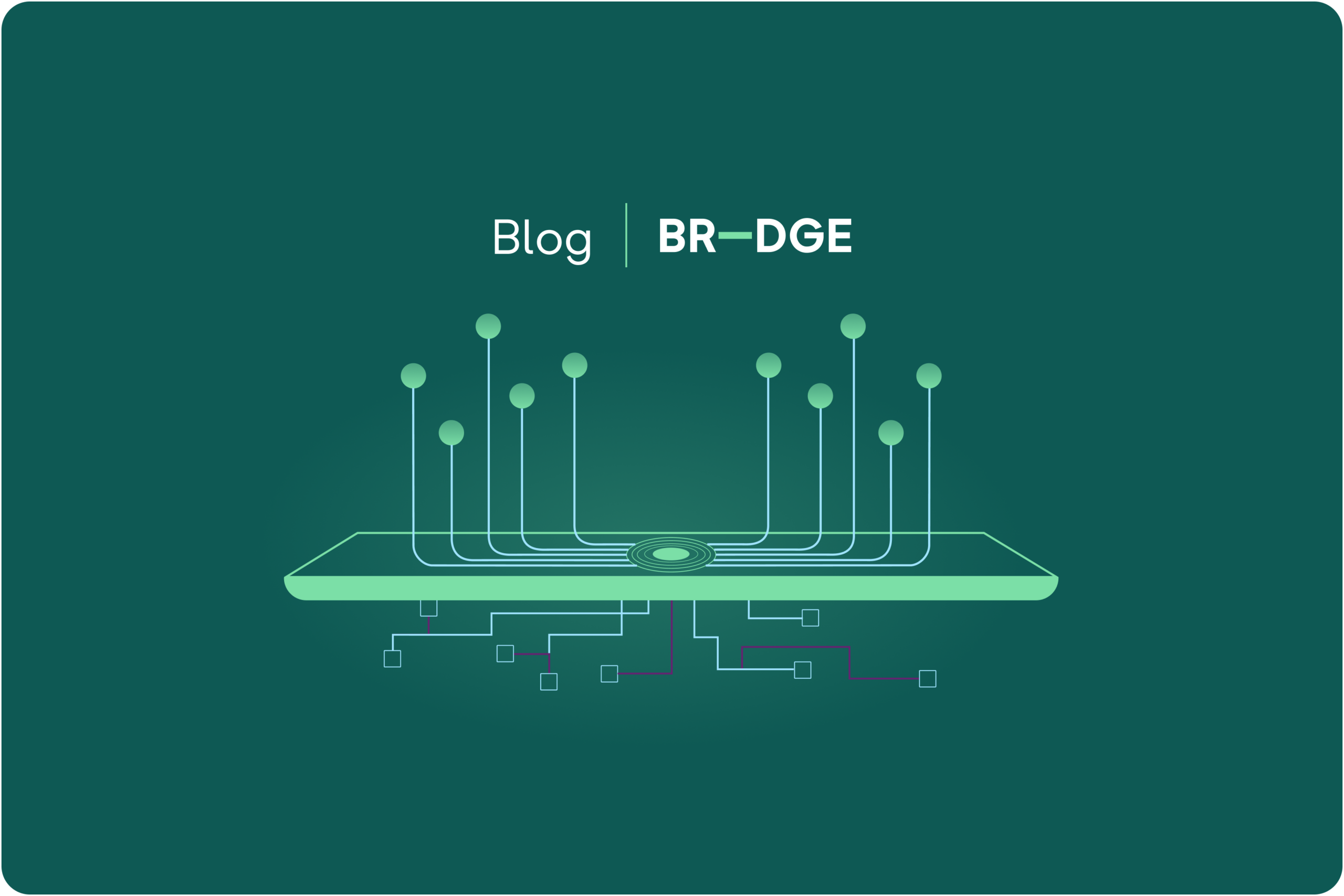
The old orchestration question facing merchants used to be: “Do we need orchestration?” For most enterprise businesses, that debate is largely settled. Payment orchestration introduces a layer of control above individual providers. Instead of focusing on managing connections, businesses can focus on designing outcomes. That distinction matters.
Merchants are becoming more aware that payments influence customer experience, conversion rates, operational efficiency, and profitability. So it’s no surprise that merchants are placing greater attention on operational flexibility and payment resilience capabilities. And that’s why payment infrastructure is becoming harder to separate from wider growth planning. The more interesting question today is: “What happens when orchestration changes how the business itself operates?”
Because at its best, orchestration does far more than simplify PSP management. It changes ownership, decision-making and above all, it enhances commercial agility.
And that shift may ultimately prove far more valuable than any additional integration ever was. That is exactly why orchestration maturity matters. As payment ecosystems become more sophisticated, the merchants extracting the most value are often not the businesses with the largest number of providers - they are the businesses with the flexibility and speed to adapt, make decisions faster, and unlock new growth opportunities that their competitors miss.
Related content