Payments data goldmine: How orchestration turns signals into decisions
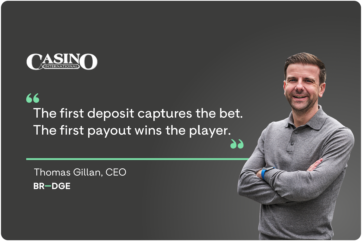
With the number of contactless transactions in 2024 hitting 18.9 billion, a 3.4% increase compared to 2023, the volume of payments data has significantly grown. But for merchants, payments data should not be seen as simply a record of transactions – it’s a goldmine of strategic insight hiding in plain sight. Thomas Gillan, CEO of BR-DGE, explores how orchestration is changing the game for merchants by flowing data through a single layer – and thus giving real-time observability and the ability to act fast.
Most payment data turns up once the sale is won or lost. By then, the customer has moved on and the moment that mattered is over.
The useful signals show up earlier: quick approvals that hold, checks that stall on certain devices or the odd retry that works if you process it a different way. Each one reflects how systems perform and how customers behave.
Seeing those signals in the real-time payments data is the difference. Most teams have the data, but it sits in separate places: acquirer portals, payments-provider dashboards, fraud tools and token stores. Pulling it together takes a huge effort in traditional set-ups.
Orchestration closes that gap by routing the payment and its data through one control point, so customer experience, product and risk teams share the same view and apply pre-configured routes and thresholds when issues arise; manual changes then shape subsequent transactions.
One view, faster decisions
When that view is in place, the fixes are straightforward. If a retail channel dips, you move traffic. If approvals slide for a particular issuer or network, you isolate the pattern and recover the affected flows.
If a second attempt tends to work better through another payments provider, or via a wallet on certain devices, teams fold that evidence into routing and retry rules so future attempts follow the better path. That’s the difference between a monthly report and a sale saved in the same session, via rules already in place.
You see this across industries: a betting operator spots a small Saturday dip on one issuer-network path and shifts traffic mid-event; a fashion retailer’s promotion holds its margin after a browser-specific challenge timeout is fixed the same day; a long-haul carrier lifts completions by routing second attempts to the provider that clears higher-value tickets in that market.
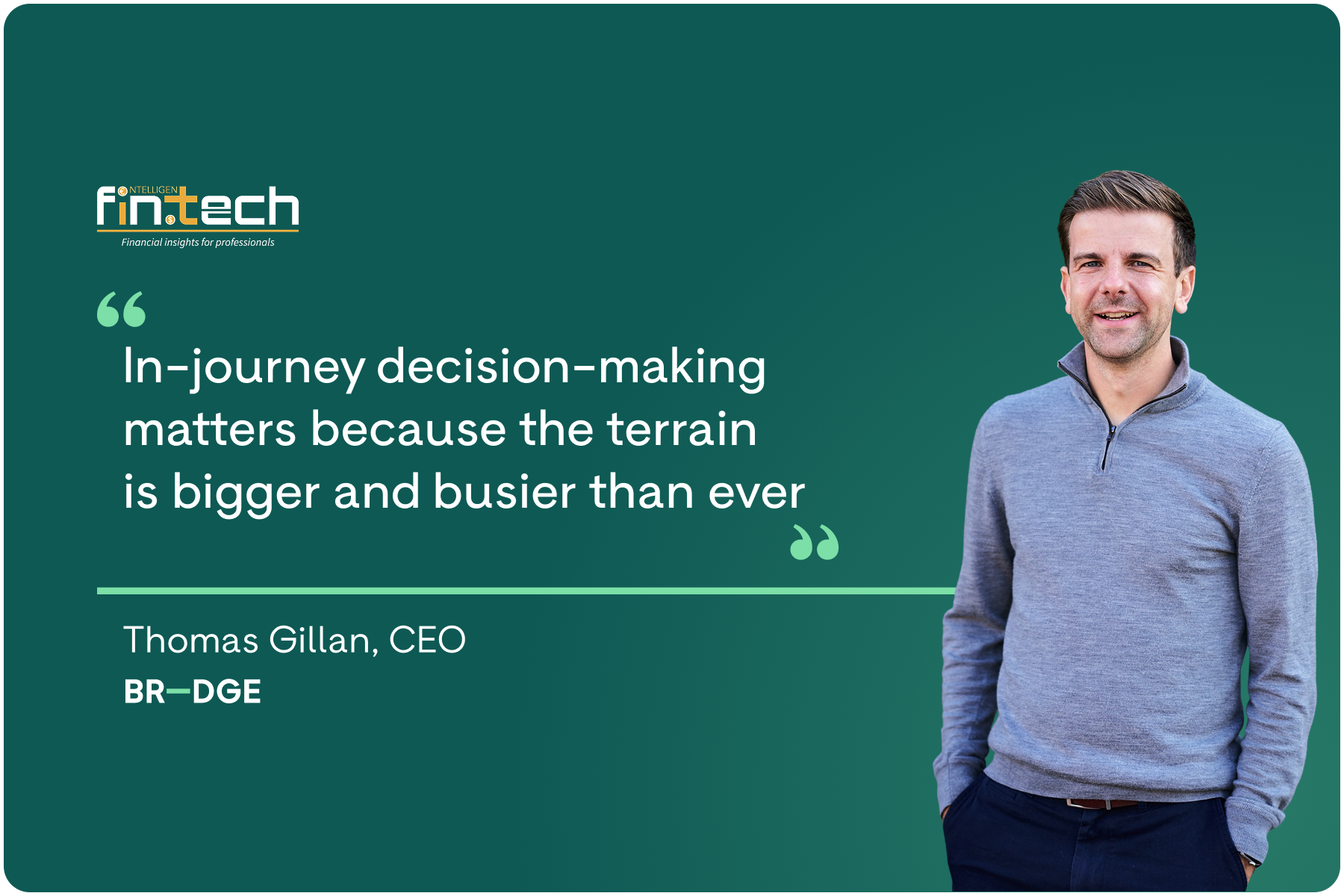
And that in-journey decision-making matters because the terrain is bigger and busier than ever: in 2024 there were trillions of non-cash transactions worldwide, and wallets now account for around half of online spend. More routes to the same checkout, and more signals to read.
Measure simply, slice wisely
Keep it simple. Track the basics – volume, value, success rate, declines, failovers and 3D Secure (3DS) interactions – then view them through consistent breakdowns: retail channel, payments provider, method, transaction type, currency, decline type, issuer, network and token type. When any measure can be seen through any of those lenses, blind spots turn into actions.
Many drop-offs aren’t a hard ‘no’ from a payments issuer; they happen inside the journey. A redirect times out. A challenge won’t render on a particular browser and operating system. Once those device-level patterns are visible, the fixes are often straightforward: a configuration tweak, a version update or a different way to present the step: and the lift in completed payments is real.
Recovery should be targeted, not blanket. People don’t benefit from repeat failures and neither do brands. Base retry rules on what you know about the issuer, the PSP, the decline reason and what has worked before.
Sometimes a wallet-based retry outperforms a card-on-file attempt; sometimes switching payments provider makes the difference. The point isn’t to guess: it’s to let evidence guide retries through rules already in place and to move that learning from an analyst’s notes into the rules that govern the flow for what happens next.
Tokens add another lens
Tokenisation is standard for larger merchants, but tokens don’t behave the same in every context. What matters is seeing how different token types perform across channels, networks and issuers and being able to break outcomes to optimise future performance.
That lets teams compare network/scheme tokens, processor/payments-provider tokens, wallet tokens and merchant or vault references alongside non-tokenised payments alongside each other and use evidence to decide where different token types help and where they don’t.
Look beyond a single approval rate. Track token creation success, first-use success, how approvals hold up over time, how often payments fall back to the original card details and how retries perform by method or device. For subscriptions, if renewals fall, that view makes it clear whether to refresh tokens or change the route, not fire off blanket retries.
Tokens also interact with other choices. Some networks and issuers show a consistent uplift with network tokens on mobile, but not on desktop. Where a payment provider requires their own tokens be used, you need to review whether that gives the right results. Seeing patterns early means you deploy the right tokens where they lift completion, use other methods where they don’t and adjust when behaviours shift.
Resilience and growth, in practice
Outages and slowdowns happen: a provider has a bad hour, a regional network struggles, an update lands badly. Our recent research shows most large merchants have faced disruptions in the past two years, yet under a third have automated, threshold-based failover.
Expansion brings its own pressures. New markets mean a different mix of issuers, payment providers, local schemes and preferred methods, so approval patterns won’t mirror your home market. Orchestration helps you adapt without rebuilding: add a provider, tune the route for that region, watch how the numbers move and keep what proves itself.
Over time those changes compound: the checkout feels more consistent, acceptance improves where it matters and finance gets a clearer read on what payment outcomes are doing to revenue.
Orchestration unifies the live signals and the controls to act. Finance and ops can align those signals with provider reporting to complete the picture, so decisions in the moment stay connected to the numbers that follow.
The gold isn’t in storing more data; it’s in using it to optimise the checkout. Design for fast decisions, and the rest follows.
Related content